Skip to content

Snakebite? Don't wait for a rescuer. Call 108 or 112

Snake HelplineBerhampur · Ganjam

Field guide

Common snakes of Berhampur & Ganjam

Learn the four medically important venomous snakes of Odisha and the harmless species often mistaken for them. Never approach or handle a snake to confirm what it is.

8 species shown

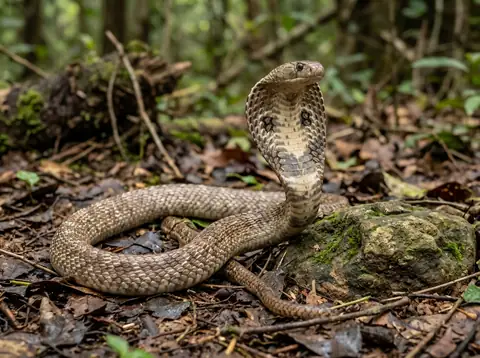
Spectacled cobra with its hood raised on the forest floorVenomous

Spectacled Cobra

Naja naja

ନାଗ ସାପ / ତମ୍ପ ସାପ (Naga / Tampa Sapa)

Neurotoxic & cytotoxicWPA Schedule I
How to recognise
Raises its forebody and spreads a hood with a spectacle-shaped mark, often with a loud hiss when cornered.
Where it lives
Agricultural fields, rodent burrows, old brick piles, store rooms and gardens across Berhampur and Ganjam.
Safety note
Bite causes drooping eyelids, breathing difficulty and painful swelling. Often confused with the harmless Indian Rat Snake.
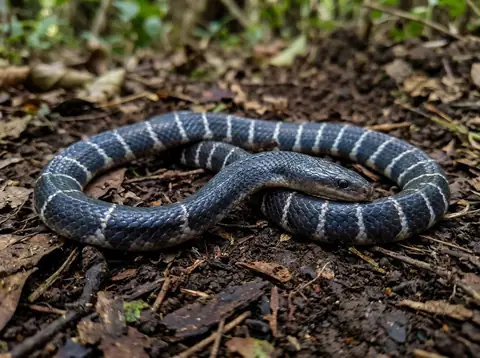
Glossy bluish-black common krait with thin paired white bandsVenomous

Common Krait

Bungarus caeruleus

ଚିତି ସାପ / ରଣା ସାପ (Chiti / Rana Sapa)

Strongly neurotoxicWPA Schedule II
How to recognise
Strictly nocturnal. Glossy bluish-black body with narrow paired white crossbands and hexagonal scales along the spine.
Where it lives
Termite mounds, rodent burrows, tiled roofs, rubble, and cool indoor floors at night.
Safety note
Bites people sleeping on the floor. Often painless with no swelling, followed by stomach pain, drooping eyelids and breathing failure.
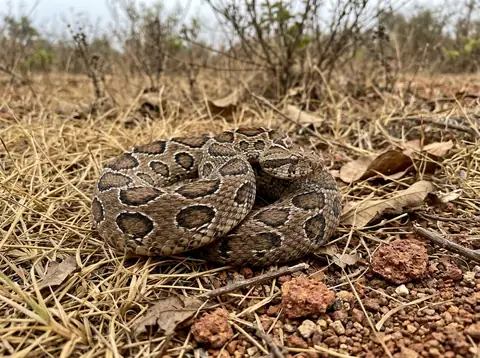
Coiled Russell's viper with chain-like oval blotches on dry grassVenomous

Russell's Viper

Daboia russelii

ଚନ୍ଦନବୋଡ଼ା ସାପ (Chandanaboda Sapa)

Hemotoxic & nephrotoxicWPA Schedule I
How to recognise
Stout body with three rows of dark chain-like oval blotches, a triangular head, and a loud pressure-cooker hiss.
Where it lives
Dry scrubland, paddy field bunds, grassy edges, and rocky outskirts of Berhampur.
Safety note
Severe pain, rapid swelling, bleeding from gums or bite site and kidney failure. Never cut or tie the limb.
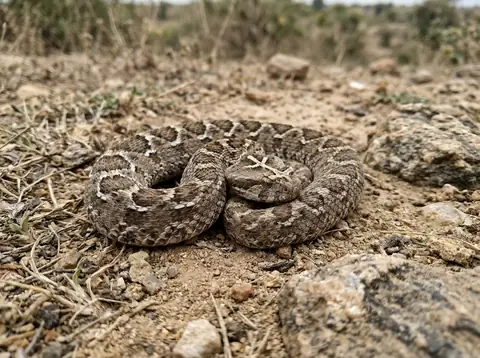
Small coiled saw-scaled viper on sandy, stony groundVenomous

Saw-Scaled Viper

Echis carinatus

ଫୁରସା / ଧୂଳିଆ ବୋଡ଼ା (Phurusa / Dhulia Boda)

HemotoxicWPA Schedule II
How to recognise
Small and stout (30–60 cm) with a pale cross or trident mark on the head. Rubs its scales to make a rasping sound.
Where it lives
Sandy coastal belts around Gopalpur and Chatrapur, laterite scrub, under stones and thorny bushes.
Safety note
Causes bleeding tendencies (blood fails to clot on the 20WBCT test). Needs hospital anti-snake venom treatment.
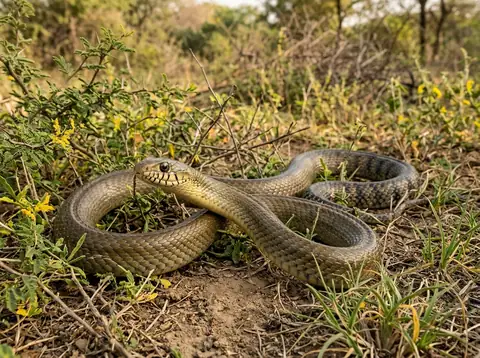
Long olive-brown Indian rat snake moving through dry scrubNon-venomous

Indian Rat Snake

Ptyas mucosa

ଧାମଣା ସାପ (Dhamana Sapa)

Non-venomous · Farmer's friendWPA Schedule II
How to recognise
Fast, active by day, up to 6–8 feet long with large round eyes and black bars on the lips. It has no hood.
Where it lives
Paddy fields, granaries, residential compounds, trees and roofs across Odisha.
Safety note
Harmless to people and vital for controlling rats. Protected under Schedule II of the Wild Life Act.
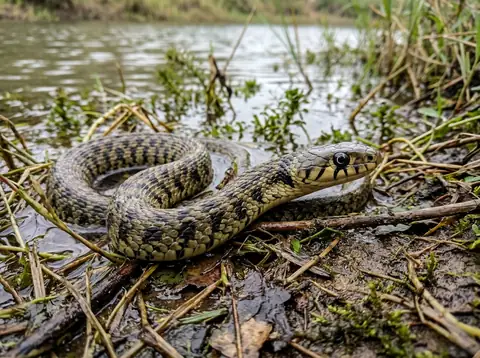
Checkered keelback with chessboard pattern coiled at the water’s edgeNon-venomous

Checkered Keelback

Fowlea piscator

ପାଣି ଢେଣ୍ଡା ସାପ (Pani Dhenda Sapa)

Non-venomousWPA Schedule II
How to recognise
Olive-yellow body with a chessboard pattern of black spots and two black tear-marks below the eyes.
Where it lives
Ponds, flooded paddy fields, drainage canals and waterlogged compounds during the monsoon.
Safety note
Harmless. Feeds on frogs, fish and mosquito larvae.
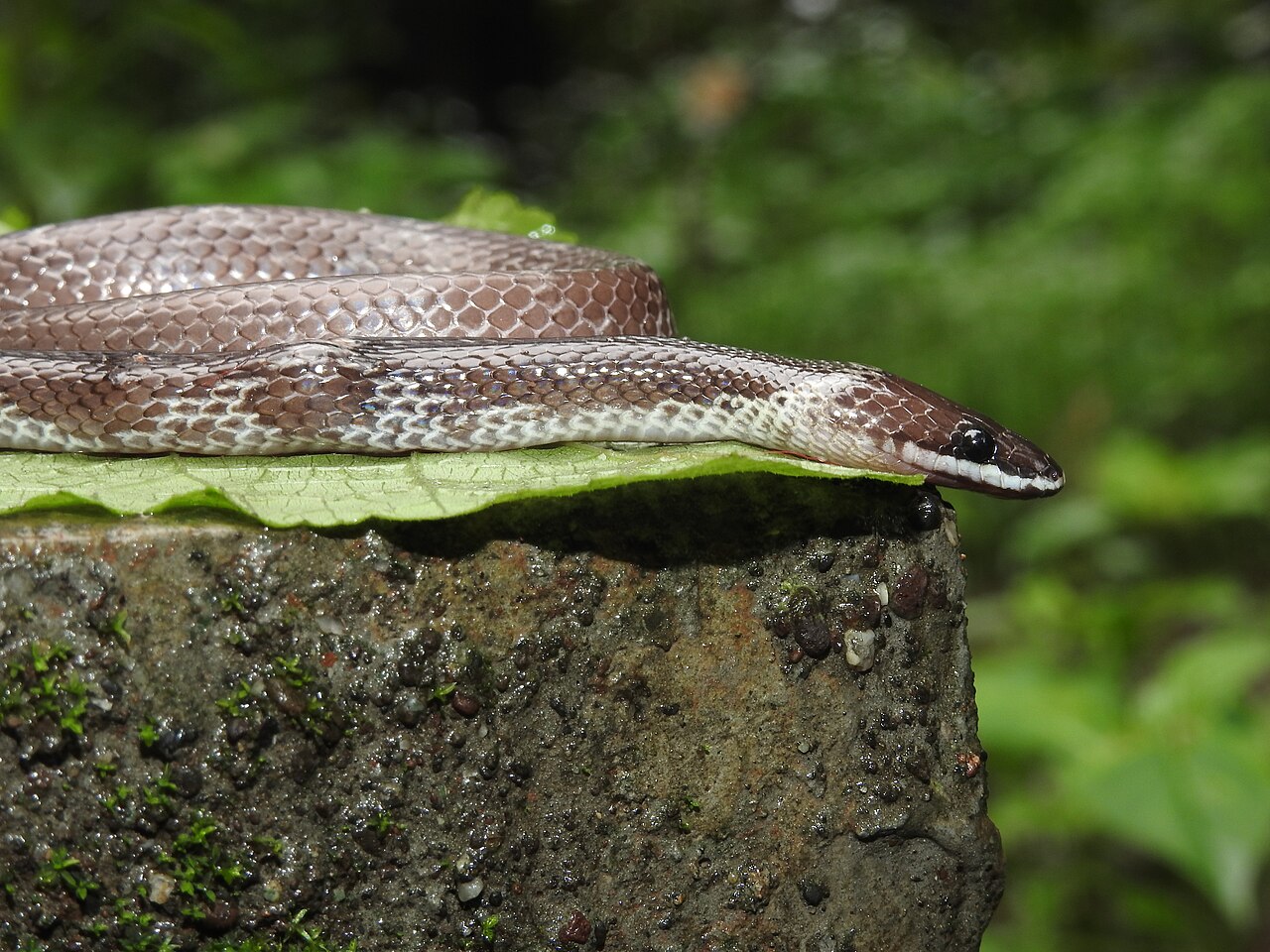
Slender brown common wolf snake resting on a leafNon-venomous

Common Wolf Snake

Lycodon aulicus

କଉଡ଼ିଆ ସାପ / ଘରଚଟିଆ ସାପ (Kaudia Sapa)

Non-venomous · Krait look-alikeWPA Schedule II
How to recognise
Small and slender, brown to black, with pale bands that start right from the neck.
Where it lives
Walls, crevices, window frames and ceilings, where it hunts house geckos.
Safety note
Harmless, but closely resembles the deadly krait at night. Never try to identify it by hand.
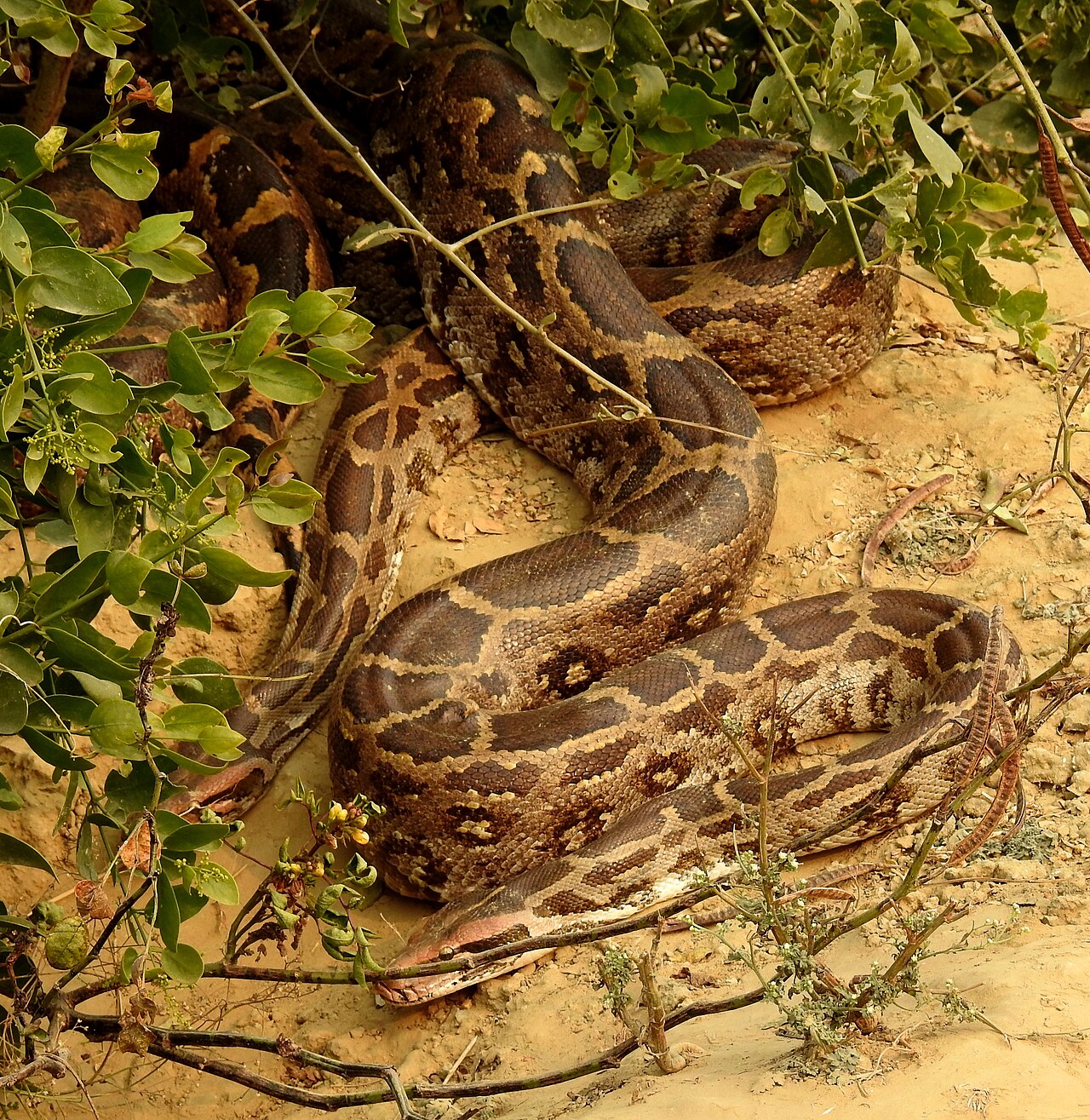
Large Indian rock python with blotched camouflage coiled in scrubNon-venomous

Indian Rock Python

Python molurus

ଅଜଗର ସାପ (Ajagara Sapa)

Non-venomous constrictorWPA Schedule I
How to recognise
Large, heavy-bodied constrictor with an irregular blotched pattern and heat-sensing lip pits.
Where it lives
Eastern Ghats forest fringes around Taptapani, Tara Tarini, Budhakhola and rocky scrubland in Ganjam.
Safety note
Highest legal protection. Any sighting near homes must be referred to the Odisha Forest Department.
Call helplineWhatsApp